GPS Collars vs. Microchips: Which is Better for Your Pet?
When it comes to keeping your beloved furry friend safe, there are a few options to consider. Two popular choices among pet owners are GPS collars and microchips. Both have their advantages and disadvantages, but which is better for your pet? Let's dive into the differences between GPS collars and microchips to help you make an informed decision.
1. GPS Collars
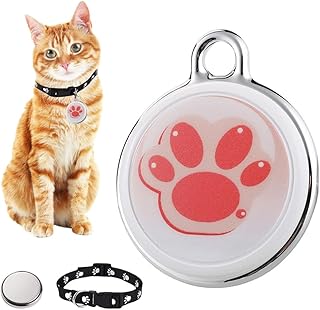
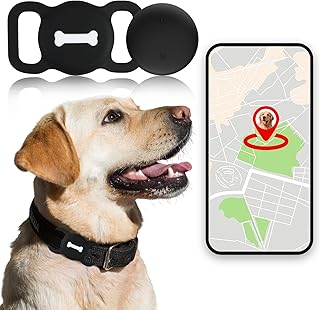
GPS collars are a modern technological marvel when it comes to pet safety. These collars come equipped with a GPS tracking device that allows you to locate your pet in real-time. This can be incredibly useful if your pet tends to wander off or if they get lost. With a GPS collar, you can quickly pinpoint your pet's location and bring them back home safely.
One of the main advantages of GPS collars is their ability to provide real-time tracking. You can track your pet's movements at any time, giving you peace of mind knowing their whereabouts. GPS collars are also easy to use and can be set up with a simple app on your smartphone.
However, GPS collars do have some drawbacks. They require a power source, usually in the form of a rechargeable battery. This means you'll need to remember to charge the collar regularly to ensure it works when you need it. Additionally, GPS collars can be bulky and may not be suitable for all pets, especially those who are small or have sensitive skin.
2. Microchips
Microchips are another popular option for pet identification and safety. A microchip is a tiny device that is implanted under your pet's skin, usually between the shoulder blades. This chip contains a unique ID number that can be scanned by a vet or animal shelter to identify your pet and contact you.
One of the main advantages of microchips is that they are permanent and cannot be lost or removed by your pet. This means that even if your pet loses their collar, they can still be identified by their microchip. Microchips are also a one-time investment and do not require any ongoing maintenance.
However, microchips do have limitations. They rely on someone finding your lost pet and taking them to a vet or shelter to be scanned. This can take time and there is no real-time tracking available with microchips. Additionally, microchips do not provide any information about your pet's location, only their identification details.
3. Which is Better for Your Pet?
So, which is better for your pet - GPS collars or microchips? The answer ultimately depends on your pet's needs and your preferences. If your pet tends to wander off or you live in a busy area where they could easily get lost, a GPS collar may be the better option. The real-time tracking abilities of GPS collars can help you quickly locate your pet and bring them back home safely.
On the other hand, if you have a pet who is unlikely to wander off or you simply want a permanent form of identification, a microchip may be the better choice. Microchips are a reliable and secure way to ensure your pet can be identified if they ever get lost.
4. Conclusion
Both GPS collars and microchips have their own set of advantages and disadvantages. Ultimately, the choice between the two comes down to your pet's needs and your personal preferences. Whether you opt for a GPS collar or a microchip, the most important thing is to ensure your pet is safe and secure at all times.