Ultimate Guide to GPS Collars: Everything You Need to Know
Introduction
GPS collars have revolutionized the way we track and monitor our pets, livestock, and even wildlife. Whether you're a pet owner looking to keep your furry friend safe or a wildlife biologist studying animal behavior, GPS collars offer a convenient and effective solution. In this ultimate guide, we will cover everything you need to know about GPS collars, including how they work, their benefits, and different types available in the market.
How GPS Collars Work
GPS collars utilize Global Positioning System (GPS) technology to determine the exact location of the wearer. These collars receive signals from satellites orbiting the Earth, allowing them to pinpoint the wearer's location with high accuracy. Some GPS collars also come equipped with additional features such as geofencing, which alerts you when your pet or livestock leaves a designated area.
Benefits of GPS Collars
GPS collars offer a wide range of benefits for both pet owners and researchers. For pet owners, GPS collars provide peace of mind by allowing them to track their pet's whereabouts in real-time. This can be especially useful for adventurous pets or those prone to wandering off. GPS collars also help reunite lost pets with their owners quickly.
For researchers and wildlife biologists, GPS collars are invaluable tools for studying animal behavior, migration patterns, and population dynamics. By tracking animals in the wild, researchers can gather valuable data that can inform conservation efforts and help protect endangered species.
Types of GPS Collars
There are several types of GPS collars available in the market, each designed for specific purposes:
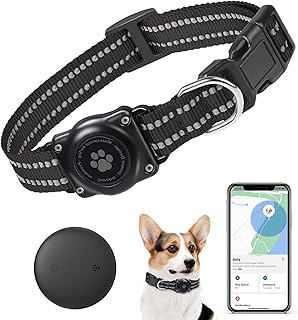
1. Pet GPS Collars: These collars are lightweight and durable, making them suitable for everyday use. They often come with smartphone apps that allow pet owners to track their pet's location and set up geofencing alerts.
2. Wildlife GPS Collars: Wildlife GPS collars are rugged and designed to withstand harsh environmental conditions. They are commonly used in research projects to track the movement and behavior of wild animals.
3. Livestock GPS Collars: Livestock GPS collars are ideal for farmers and ranchers looking to monitor the whereabouts of their animals. These collars can help prevent livestock theft and improve herd management.
Choosing the Right GPS Collar
When selecting a GPS collar, it's essential to consider the following factors:
1. Battery Life: Make sure the GPS collar has a long-lasting battery to ensure continuous tracking without interruptions.
2. Range: Check the GPS collar's range to ensure it covers the areas where your pet or livestock roam.
3. Durability: Opt for a GPS collar that is waterproof and shockproof, especially if it will be used in outdoor environments.
4. Subscription Fees: Some GPS collars require a monthly subscription for tracking services, so be sure to factor in this cost when making your decision.
Conclusion
GPS collars are versatile tools that offer numerous benefits for pet owners, researchers, and farmers alike. By understanding how GPS collars work, their benefits, and the different types available, you can make an informed decision when choosing the right collar for your needs. Whether you're looking to keep your pet safe or study wildlife behavior, GPS collars are a valuable investment that can help you track and monitor your subjects with ease.